How to Choose the Right Industrial Air Pollution Control System for Your Factory
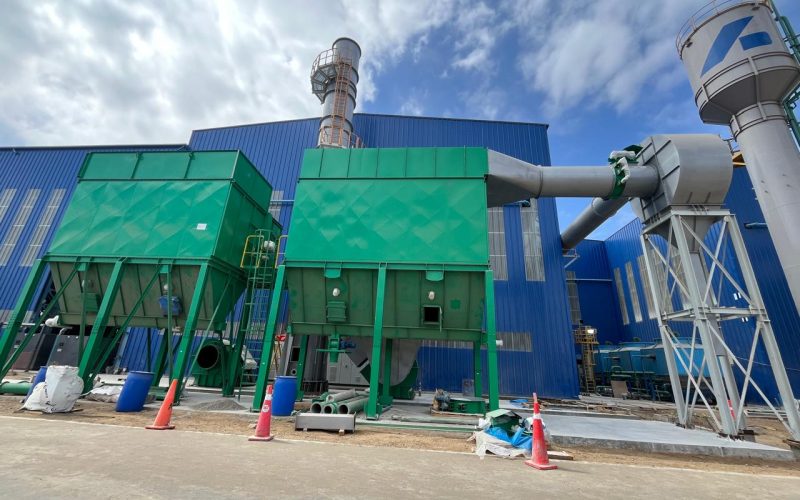
Industrial processes can generate dust, fumes, smoke, gases, vapours, and other airborne contaminants. If these pollutants are not controlled effectively they can affect workplace air quality, equipment performance, production processes, and also environmental compliance.
Still, picking the right industrial air pollution control system is not simply about buying the biggest dust collector or the most powerful filtration unit you can find. Each factory has different process steps, different pollutant types, varying airflow needs and distinct operating conditions.
The right factory air pollution control solutions should be built around where the pollution actually starts, and on the particular needs of the facility. This guide will walk through what really matters, and what factory owners, plant managers should look at first, before picking an air pollution control system.
How Do You Choose the Right Industrial Air Pollution Control System?
The correct system depends on what sort of pollutant your factory generates, where it is produced, how much airflow is required, and which control technology actually fits the job.
Before selecting a system, take a moment and think about:
- The source of dust, fumes, smoke, or gases
- Pollutant character and concentration
- The needed airflow and capture velocity
- Filtration or separation methods that will work
- Industry limits and process requirements
- Emission obligations and compliance rules
- Energy use, maintenance needs, and lifecycle costs
Pick a system based on the whole application, not just on equipment capacity, or the purchase price alone.
Why Choosing the Right System Matters?
If a system is designed incorrectly it can be weirdly ineffective at capturing pollutants in practice. Dust and fumes may slip out into the workplace, filters might start clogging more often than you would expect, and the equipment can take up more energy than needed.
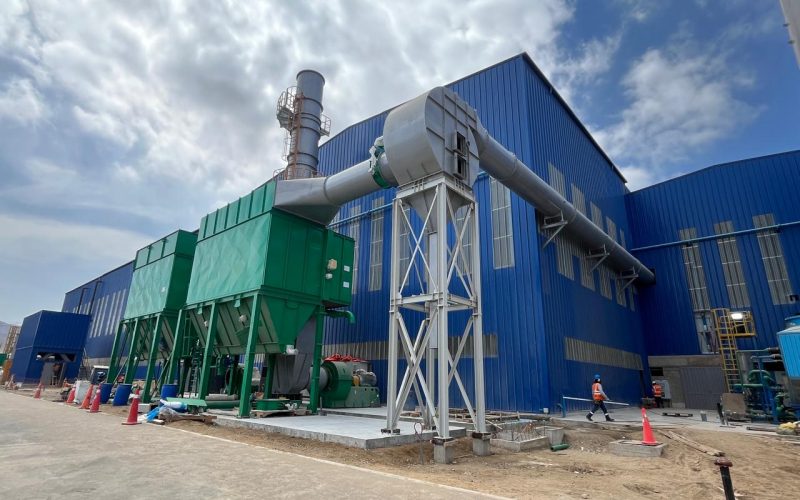
When industrial pollution control systems are designed well, they think through the whole process, not only the obvious parts. That means the emission source, contaminant characteristics, airflow behavior, ducting layout, and the filtration requirements are all accounted for, in a coherent way. It tends to create a more practical method for keeping industrial operations cleaner and running more efficiently over time.
The right industrial air quality solutions can also help lessen dust build up around machinery, and work areas too, which makes maintenance tasks, and everyday plant operations a bit easier to handle.
1. Identify Where the Pollution Is Coming From
The first step is to find the exact location of pollution. Different manufacturing processes make different kinds and volumes of airborne contaminants, so the picture gets a little muddled if you do not check carefully.
Common causes include:
- Grinding and cutting
- Welding and metal fabrication
- Sanding and polishing
- Crushing and screening
- Material handling
- Powder processing
- Woodworking
- Foundry operations
- Furnace and thermal processes
The place and amount of emission points are also important, but in a real day-to-day way. A single machine might need a local extraction setup, while multiple connected processes may call for a centralized dust collection system, not just one small trick.
It is also useful to grasp when the emissions happen. Some processes make pollutants continuously and others cause short periods of high dust or fume concentration. With that kind of info, you can set the capacity and industrial dust extraction systems design, more accurately than guessing.
2. Understand the Type of Pollutant
Not every pollutant can be controlled with the same technology. Fine dust, heavy particles, welding fumes, smoke, and gaseous emissions don’t behave the same way, they have different physical characteristics and they may need different air pollution control equipment, for real.
Before selecting a system, you have to evaluate factors like particle size and dust concentration, but also density, moisture, temperature, and then whether the material is abrasive, sticky, corrosive, or combustible.
Pollutant Type | Common Sources | Possible Control Solution |
|---|---|---|
Coarse dust | Crushing, material handling | Cyclone separator with dust collector |
Fine dust | Grinding, powder processing | Cartridge or bag filter |
Heavy dust loads | Cement, minerals, foundries | Baghouse filter system |
Smoke and fumes | Welding, furnaces | Fume extraction and filtration |
Gases and vapours | Chemical processes | Application-specific gas treatment |
For example, a system meant for collecting coarse wood dust might not be suitable for fine metal particles. Likewise, high-temperature furnace emissions could need specially engineered industrial emission control systems that match the specific situation, not just a general approach.
Getting the pollutant right is therefore essential, when you want to choose effective industrial air pollution control solutions that actually work.
3. Determine the Required Airflow and System Capacity
Airflow plays a major role in the performance of industrial air filtration systems, really. In the end the system has to move enough air to capture pollutants before they spread into the surrounding work environment, because otherwise the whole thing becomes less efficient.
Airflow requirements can depend on:
- Size of the emission source
- Number of collection points
- Type of manufacturing process
- Required capture velocity
- Hood design and placement
- Duct layout and length
- Dust concentration/load
When designing the system, you should think about technical factors like airflow rate, static pressure, pressure loss, and capture velocity, as a whole, not in isolation.
Putting in a bigger fan does not always fix the issue. The hood, ducting, fan, and filtration equipment have to coordinate, so you get solid source capture while also preventing unnecessary energy consumption.
This becomes especially relevant when you are planning factory air filtration solutions for large facilities, or when there are multiple production areas involved, at the same time.
4. Select the Right Air Pollution Control Technology
After the pollution origin is understood, and the airflow requirements look right, the subsequent step is to pick the suitable technology. Various industrial air pollution control systems are made for different contaminants and each industrial process.
Baghouse and Bag Filter Systems
Baghouse systems use fabric filter bags to capture particulate stuff. They are commonly used in applications where dust generation is pretty high, including material handling, mineral processing, cement, and metal industry uses.
The filter media and system design should align with the dust properties as well as operating temperature, because the match really matters.
Cartridge Dust Collectors
Cartridge collectors get used a lot for fine, dry dust and it pretty much works because the airflow stays under control. Their compact design makes them fitting for situations where there’s limited space, and you still need something steady.
You’ll see them in metalworking, powder processing, and other activities that call for efficient filtration of tiny particulates, not just larger debris.
Cyclone separators rely on centrifugal force, and they pull the larger, heavier particles out from an air stream.
They may act as a first collection stage, or they can sit ahead of secondary filtration tools to reduce the total dust load before later steps.
Wet Scrubbers
Wet scrubbers use liquid to snare certain dusts, fumes, or gases, and yeah, they can work well when a dry filtering approach is not really the best option for that particular job.
Even so, before choosing this technology, you have to think about wastewater handling, possible corrosion, and ongoing maintenance, because those parts can make or break the whole setup.
Fume and smoke extraction systems
Welding, furnaces, foundries and thermal processes can throw off smoke and fumes, so they need good source capture not later after the fact.
For each situation, these systems can involve extraction hoods, ducting, filtration equipment and fans tuned for the exact process conditions they face.
Which technology ends up being best depends on the pollutant, the process temperature, the airflow needs, and the overall operating environment where it will run every day.
5. Consider Your Industry and Manufacturing Process
Every industry has different air pollution problems. This is why factory pollution control systems should be picked based on the actual use case, in the field.
For example, a metal fabrication plant may need to manage grinding dust and welding vapors. A woodworking shop might focus on dust capture from cutting, sanding, and machining work. A foundry may require air extraction from melting, casting, and finishing procedures.
Industries may also have unique requirements, including:
- Cement and mineral processing
- Steel and metal manufacturing
- Automobile manufacturing
- Composite manufacturing process
- Interior and furniture manufacturing
- MDF, Particle Board manufacturing
- Plywood and wood working
- Food processing
- Pharmaceutical manufacturing
- Chemical processing
- Power generation
- Powder handling
The industry and the actual application can influence what people choose for filter media, which equipment materials get used, how much airflow capacity is required, and how the overall system design ends up looking.
Rather than picking a standard unit right away, factories should really check how the industrial pollution control system will perform when their real production conditions are running, not just on paper.
6. Review Compliance and Future Requirements
Before finalizing an air pollution control system, the environmental and operational requirements need to be looked at first, even if it feels a little early.
Factories may have to review the emission limits that apply, workplace air quality expectations, and regulations that are specific to the industry. These issues end up affecting the filtration efficiency that is actually needed, and also how the system should be shaped.
It is also wise to keep future production plans in view. New machinery, a higher production capacity, or extra processes can raise the quantity of dust or emissions that are produced.
When you plan for expansion in advance, you can avoid major system changes later. A flexible, properly designed solution can handle changing requirements more effectively than equipment chosen only for today’s situation.
7. Compare Energy, Maintenance, and Lifecycle Costs
The initial purchase price is only one part of the total cost. Later, energy consumption, filter swapping, maintenance, and downtime can also matter, like more than people expect, and they will nudge your operating expenses up over time.
Before selecting air pollution control equipment, you should evaluate:
- Fan power requirements
- Filter pressure drop
- Filter cleaning method
- Replacement frequency
- Compressed air consumption
- Maintenance accessibility
- Spare parts availability
- Expected equipment life
A lower-cost system may look attractive at first, but in practice it can demand more upkeep or draw higher energy during its operating life.
When comparing industrial air filtration systems, factories should think about the total lifecycle cost, not just the initial investment.
Why Does Manufacturer Expertise and System Design Matter?
Choosing the right equipment is important, but the whole system design is just as critical. Even top tier equipment may not work like expected if the hood design, the ducting, air movement, or the filtration capacity is not set up properly.
A seasoned air filtration system manufacturer should look at the entire application first before suggesting a solution.
This assessment should include:
- Manufacturing process and operating conditions
- Type and characteristics of pollutants
- Number and location of emission points
- Required airflow
- Dust loading
- Available installation space
- Ducting requirements
- Maintenance access
- Energy efficiency
- Future expansion requirements
Working with an experienced air pollution control equipment manufacturer can help make sure the full system is designed around the plant’s actual needs, not just picking a standard product and hoping it fits.
Industrial Air Pollution Control System Selection Checklist
Before you make a final decision, check if the proposed system somehow covers these points, not just a few.
- Have all the major sources of pollution been identified, really identified?
- Is the pollutant type understood clearly, without guessing in the margins?
- Were particle characteristics and dust concentration considered?
- Has the required airflow been calculated correctly?
- Is the chosen technology suitable for the specific use case?
- Does the design consider the manufacturing process in a very specific way, not the generic one?
- Are the compliance obligations and operational requirements addressed properly?
- Have energy expenses and maintenance costs been evaluated, including practical realities?
- Is there enough flexibility for future production expansion later?
- Does the manufacturer truly understand the specific application, down to how it will run daily?
Choose a System Based on Your Factory’s Actual Requirements
There is no single industrial air pollution control system that is suitable for every factory. The right solution depends on the pollution source, the contaminant type, airflow requirements and manufacturing process, plus the long-term operational needs that keep changing.
Before choosing equipment, factory owners and plant managers should evaluate these factors. When this is done, the factory air pollution control solutions decisions become more informed and reliable. A properly designed system can support efficient contaminant capture, cleaner workspaces, and more productive industrial operations.
Garant Filter provides industrial air pollution control solutions and air handling systems for different industrial applications. It can be for dust collection and extraction, and also filtration, emission control. In practice, the right solution starts with understanding the specific air pollution challenges of your factory and then matching the right approach to them.